HIPAA compliant internet fax: Data Protection Guide
Table of Contents
Ensuring secure transmission of sensitive records over the internet is essential for healthcare and other regulated sectors. A modern fax solution must combine encryption in transit and at rest, robust access controls, and detailed logging to maintain confidentiality from sender to recipient. This guide walks through the critical components, administrative practices, vendor evaluation, and practical steps required to implement a reliable internet fax service that safeguards protected data end-to-end.
Ready To Fax?
Start sending faxes online in seconds with FaxZen - No account required
Send Fax Now 🚀Ready to secure your fax transmissions? Go to FaxZen homepage.
Pillars Securing Fax Transmission
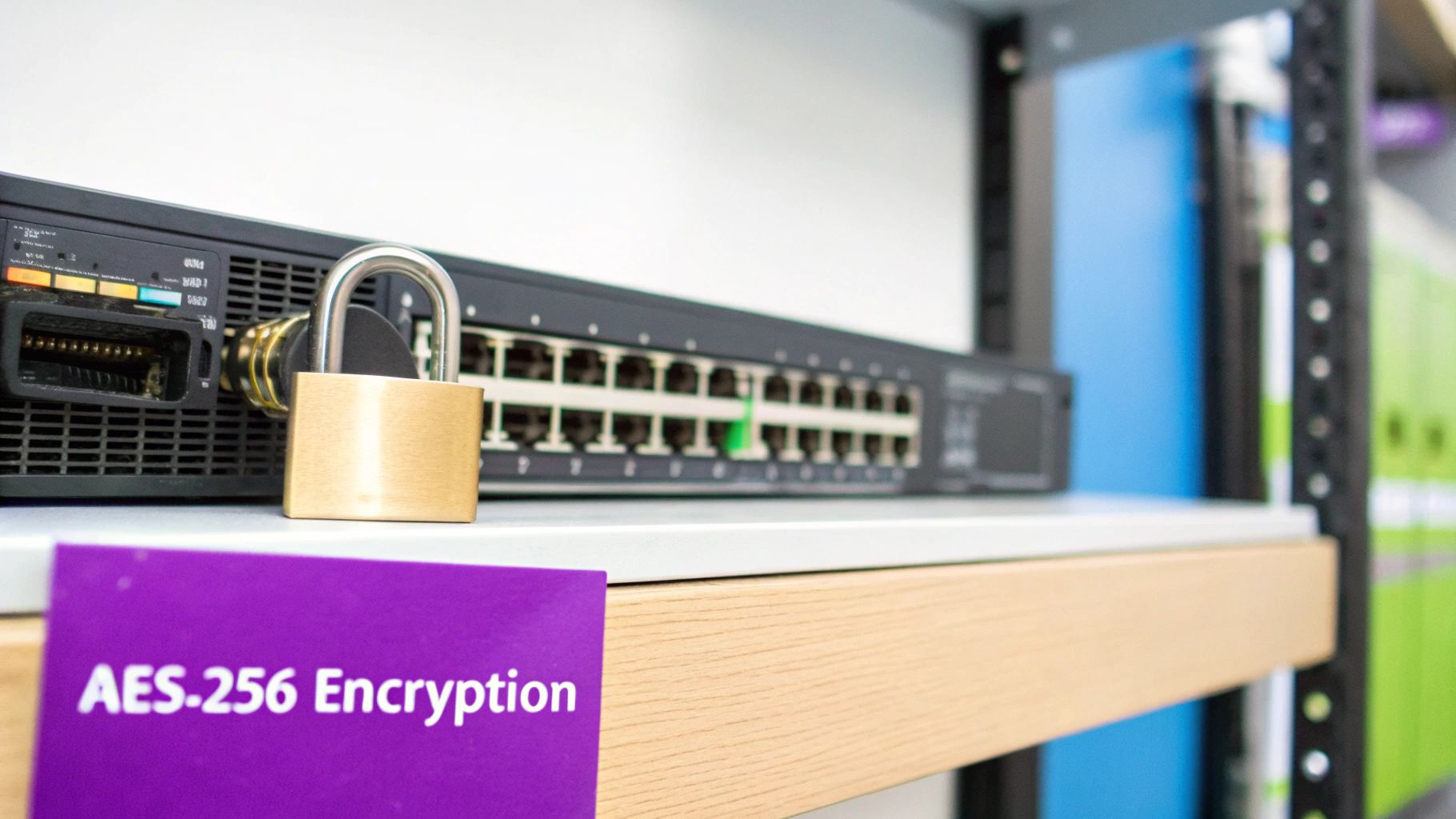
Four core measures unite to protect documents during sending, storage, and retrieval. First, transport encryption (TLS 1.2+ or higher) acts as a locked tunnel between your client and the service provider. Second, data-at-rest encryption (AES-256) ensures that stored files remain unreadable without proper decryption keys. Third, immutable audit logs record every action—send, receive, view—with tamper-resistant timestamps. Finally, strict access controls, reinforced by multi-factor authentication, limit user privileges and prevent unauthorized account access. Together these layers create a defense-in-depth approach for secure internet fax.
“A layered security strategy reduces single points of failure and simplifies reporting.”
| Safeguard | Function | Benefit |
|---|---|---|
| Transport Encryption | Protects data over networks | Prevents interception and eavesdropping |
| Data-at-Rest Encryption | Keeps archived files secure | Ensures stored documents cannot be read |
| Immutable Audit Logs | Records each activity in real time | Supports incident investigations |
| Access Controls & MFA | Limits and authenticates user access | Blocks unauthorized accounts and reduces risk |
Technical Safeguards
Strong technical controls form the backbone of any secure fax service. Transport encryption such as TLS 1.2 or higher secures the data in motion—think of it as an armored convoy on a public road. Once the fax reaches the cloud, AES-256 encryption wraps it in a sealed container. Key management is equally critical: Hardware Security Modules isolate cryptographic keys in tamper-resistant vaults, and regular key rotation prevents stale or compromised keys from posing a threat. Comprehensive logging of encryption and key operations adds another layer of visibility into your security posture.

APIs integrate fax capabilities directly with existing applications, eliminating manual steps and reducing human error. Automated integrity checks ensure that a document arriving at its destination matches the one that was sent, with mismatch alerts triggering immediate review.
Administrative and Physical Safeguards
Operational policies and facility controls complement technical measures to create a complete security framework. Routine risk assessments identify process gaps, such as misconfigured user permissions or insecure document handling areas. Once risks are identified, targeted staff training—and quick-reference guides at each station—reinforce protocol adherence. Physical protections include locked server rooms, badge-only access, climate controls, and secure hardware disposal processes like shredding or degaussing. Together, these practices form the administrative and physical arm of your secure fax implementation.
Vendor Evaluation Checklist
Choosing the right provider starts with a clear set of criteria. The checklist below highlights essential features and contract elements to confirm before signing on.
| Item | Requirement | Verification |
|---|---|---|
| Transport Encryption | TLS 1.2+ supported | Review vendor documentation |
| Storage Encryption | AES-256 at rest | Inspect configuration and audit logs |
| Audit and Monitoring | Immutable, real-time logs | Test log export and examine entries |
| Access Controls | Role-based with MFA | Check admin dashboard settings |
| Retention & Deletion Policy | Automated purge schedules | Verify policy enforcement |
In addition to technical checks, review contract terms on incident notification timelines, indemnification, and audit rights. A strong agreement ensures shared accountability and clear escalation paths.
Implementation Steps
A phased rollout plan helps embed security processes and minimize disruption. Start by defining distinct roles—sender, approver, auditor—and enforce multi-factor authentication for each. Next, integrate the fax service with your core systems using secure APIs, mapping user and document identifiers to avoid routing errors. Conduct pilot trainings using realistic scenarios to ensure staff are comfortable, then expand deployment in waves. Finally, activate real-time alerts for unusual activity—such as bulk sends or repeated login failures—and schedule weekly reviews of audit logs to catch anomalies early.
| Phase | Activity | Owner |
|---|---|---|
| Setup and Roles | Define profiles and enable MFA | IT Security Team |
| Integration | Connect via secure APIs | IT Integration Lead |
| Training | Run scenario-based exercises | Compliance Manager |
| Monitoring | Configure alerts and weekly log reviews | Operations Analyst |
FAQ
What encryption standards protect faxes in transit and at rest?
Use TLS 1.2 or higher for data-in-motion and AES-256 for stored files, with keys managed in Hardware Security Modules.
How do immutable logs enhance security?
They capture each event in a tamper-resistant ledger, supporting audits and incident investigations.
Which contract clauses are most critical?
Prioritize breach notification timelines, liability limits, data deletion policies, and audit rights.
Can fax services integrate with existing record systems?
Yes, secure APIs allow seamless connection with EHRs, CRMs, or other platforms.
How often should risk assessments occur?
Perform them at least annually, or whenever major process changes are planned.